Travel to Croatia
Day 5 Zadar - Kravica Waterfalls - Mostar - Dubrovnik (433 Km.)
(in 251 Km) Kravica Waterfalls: Our visit to the Kravica Waterfalls, located in Bosnia and Herzegovina, was nothing short of refreshing, especially given the soaring summer temperatures. Nestled within a lush forest, these stunning waterfalls cascade from a height of approximately 25 meters, forming a large natural pool below. The emerald-green water, cool and inviting, is perfect for swimming. After hiking along the short trails that lead to the falls, we wasted no time jumping into the water, which provided an instant relief from the heat. Surrounded by the sound of rushing water and the serene beauty of nature, Kravica offered us a tranquil escape and a much-needed respite from the day’s heat.
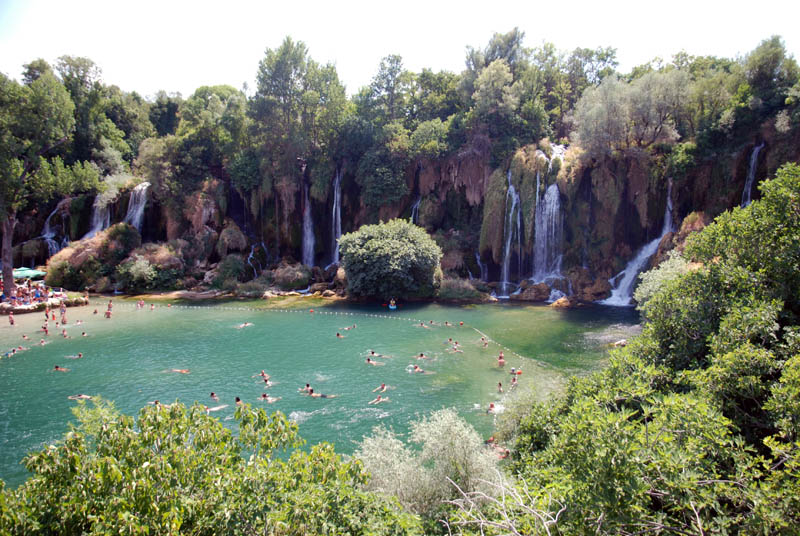
Kravica Waterfalls
Beyond swimming, the area around the waterfalls is perfect for picnicking or simply relaxing. Small cafes and seating areas nearby provide refreshments and snacks, allowing visitors to enjoy the view while sipping on a drink. The atmosphere around Kravica also reveals the cultural diversity of Bosnia and Herzegovina, with its population representing a mix of Catholic, Orthodox, and Islamic traditions. This blend of influences can be seen in the local people, attire, and even some of the food offerings, reflecting the country’s rich and complex history. The juxtaposition of cultures adds depth to the visit, offering a unique opportunity to observe how different communities coexist in a shared space. The mist from the falls created a refreshing breeze, making it easy to spend hours here without noticing the time pass. Whether exploring the shallow areas or swimming closer to the base of the falls, Kravica is a place that embodies natural beauty, peace, and a window into the region's cultural tapestry.
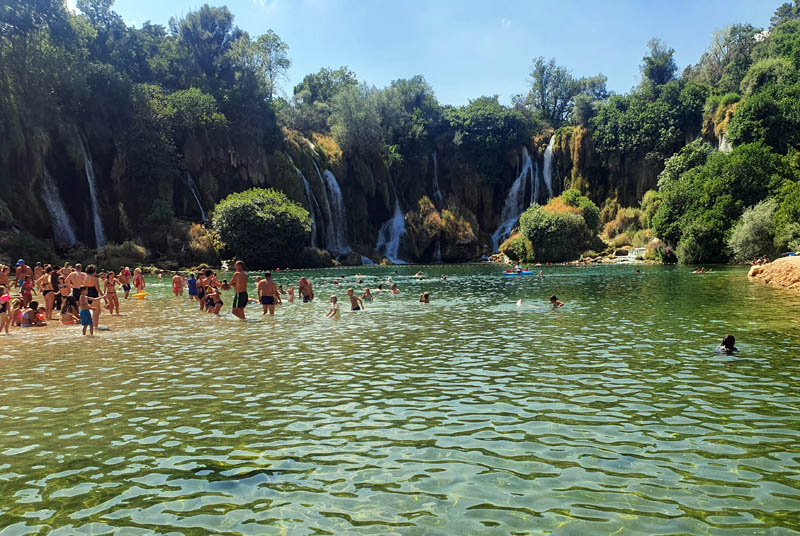
Kravica Waterfalls
(in 40 Km) Mostar: Our exploration of Mostar begins with its most iconic landmark, the Stari Most, or "Old Bridge." Originally built in the 16th century during the Ottoman period, the bridge was tragically destroyed in 1993 during the Bosnian War and later reconstructed to its former glory. The elegant stone arch spans the emerald waters of the Neretva River, symbolizing both the city’s history and its enduring spirit of unity. Standing on the bridge, we admire the breathtaking views of the river and the surrounding town, while daring locals perform their famous dives from the bridge into the water below. Next, we explore the Halebija and Tara Towers, which flank the Stari Most. These fortifications once served as watchtowers and are now home to small exhibitions and viewpoints. From here, we delve into the Old Bazaar (Kujundžiluk), a vibrant market filled with colorful stalls offering traditional crafts, handmade jewelry, and Bosnian souvenirs. The cobblestone streets, lined with Ottoman-era architecture, transport us back in time, while the lively atmosphere of the bazaar brings a sense of energy to the city.
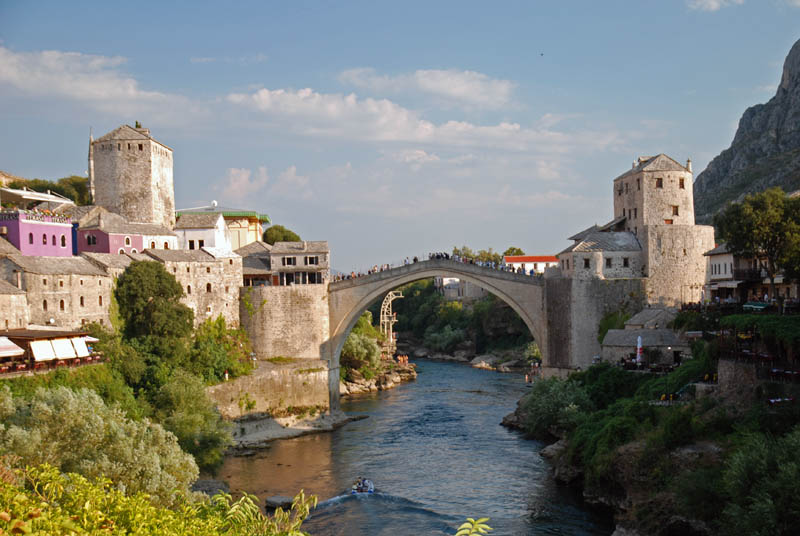
Mostar - Stari Most
A short walk leads us to the Koski Mehmed Pasha Mosque, a beautiful example of Ottoman design. The mosque’s serene courtyard offers a peaceful retreat, while its minaret provides one of the best panoramic views of Mostar, including the Stari Most and the Neretva River. Inside, we marvel at the intricate decorations and simple yet elegant architecture that reflects the region's Islamic heritage. Another significant mosque in Mostar is the Karadjoz Bey Mosque, the largest and one of the oldest mosques in the city, built in 1557. Its spacious prayer hall and stunning Islamic calligraphy are captivating, and its location provides insight into the prominence of Islamic culture during the Ottoman period. Visiting these mosques offers a deeper understanding of Mostar's rich spiritual and architectural traditions.
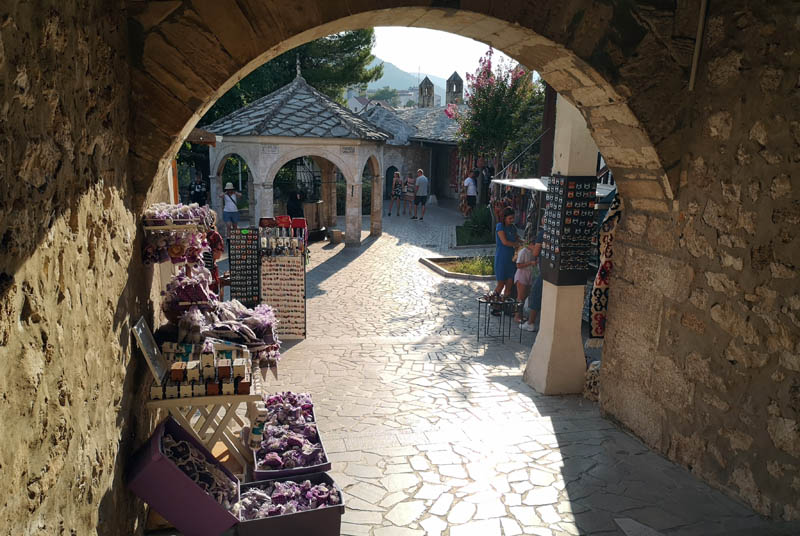
Mostar - Koski Mehmed Pasha Mosque entrance
Although our visit focused on the historic center of Mostar, the city has several other noteworthy landmarks located slightly farther afield. The Cathedral of Mary, Mother of the Church is a striking example of modern architecture and a symbol of the Catholic presence in the region. Rebuilt after being damaged in the war, the cathedral stands as a testament to the city’s commitment to reconciliation and renewal. Nearby is the Tower of Peace, a tall structure offering panoramic views of Mostar and its surroundings. This tower is part of the cathedral complex and serves as a reminder of hope and unity. Another significant site is the Plaza de España, a square dedicated to the Spanish soldiers who lost their lives while serving as peacekeepers during the Bosnian War.
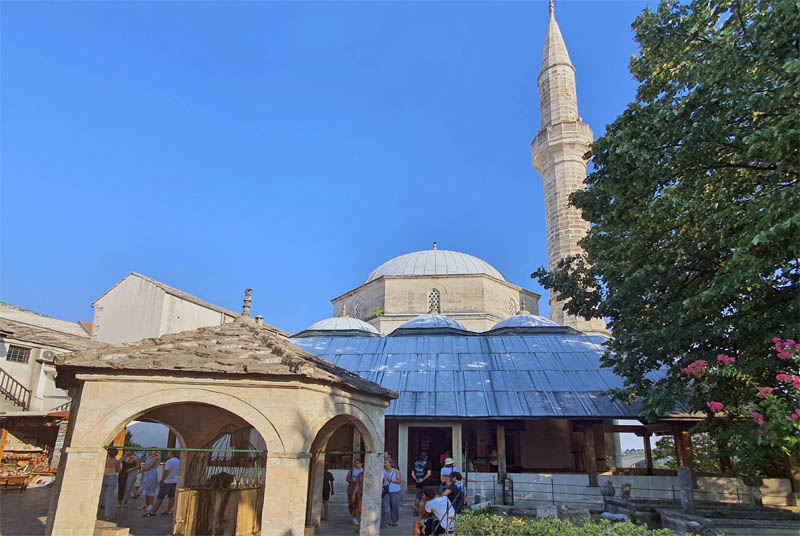
Mostar - Koski Mehmed Pasha Mosque
These locations, though outside the main tourist trail, add depth to Mostar’s narrative and showcase the city's diverse cultural and historical layers. They are a must-see for anyone looking to explore beyond the well-trodden paths of the old town. We end our visit with a leisurely stroll along the Neretva River, where the calm waters reflect the beauty of Mostar’s historic skyline. Along the riverbanks, cafes and restaurants offer traditional Bosnian dishes such as cevapi and baklava, giving us a chance to savor the local flavors.

Mostar - Old Bazaar (Kujundžiluk)
As we wander through Mostar, the scars of war are still visible. Several buildings bear bullet holes and damage, a sobering reminder of the city’s past struggles. These remnants stand in stark contrast to the restored areas, highlighting Mostar’s resilience and the efforts to rebuild and move forward. The juxtaposition of history and recovery adds depth to the city, making it more than just a picturesque destination. With its rich history, stunning architecture, and resilient spirit, Mostar leaves a lasting impression, reminding us of the strength and beauty that can emerge from even the most challenging times.
(in 142 Km) Dubrovnik: We sleep close to this city.