Travel to Croatia
Day 4 Slunj - Plitvice Lakes National Park - Zadar (177 Km.)
(in 32 Km.) Plitvice lakes: Plitvice Lakes National Park is a natural wonder renowned for its 16 cascading lakes, which are divided into two sections: the upper lakes and the lower lakes. These lakes are connected by a network of waterfalls and streams, creating a dynamic and ever-changing landscape. The striking turquoise, green, and blue colors of the water are a result of dissolved minerals, algae, and the refraction of sunlight. The park's karst topography, featuring porous limestone and dolomite rocks, plays a crucial role in forming the lakes and waterfalls, as well as the travertine barriers that continually grow and evolve. Spanning an area of nearly 300 square kilometers, the park is home to diverse flora and fauna, including over 1,200 plant species, 321 species of butterflies, and animals such as brown bears, lynxes, and otters. This incredible biodiversity and geological uniqueness make Plitvice not only a stunning destination but also a vital ecosystem worth protecting.
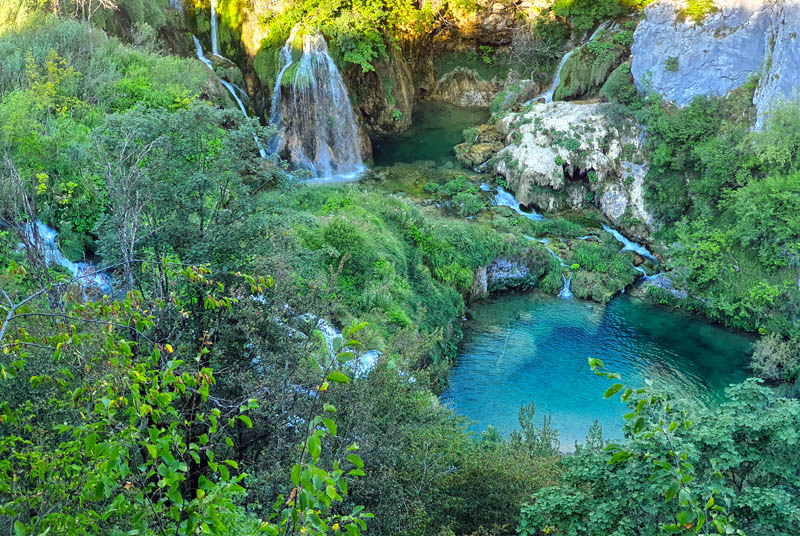
Plitvice Lakes National Park - Lower lakes
Our day at Plitvice Lakes National Park begins early to beat the crowds and fully immerse ourselves in this UNESCO World Heritage Site. Renowned for its cascading lakes and lush forests, Plitvice is a masterpiece of nature. With 16 interconnected lakes and countless waterfalls, the park is a haven for wildlife and a paradise for nature enthusiasts. We choose Route C, a trail that takes us through the lower and upper lakes, offering breathtaking views and a chance to experience the park’s diversity. Starting from Entrance 1, we prepare for a day filled with scenic beauty and peaceful moments.
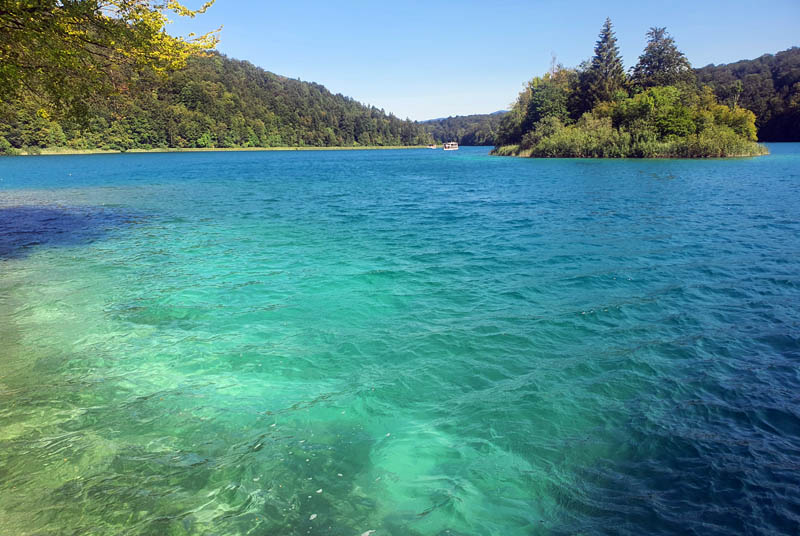
Plitvice Lakes National Park - Kozjak Lake
The journey begins with the lower lakes, including landmarks like Milanovac Lake and Gavanovac Lake, whose crystal-clear waters reflect the surrounding cliffs and vegetation. One of the highlights of this section is the Veliki Slap (Big Waterfall), the tallest waterfall in the park, plunging dramatically from a height of 78 meters. The thunderous sound of the cascading water and the mist rising from the falls create a mesmerizing experience. As we follow the wooden walkways, we pass by smaller waterfalls like Sastavci Waterfall, which adds to the charm of the lower lakes. The area is alive with the sound of rushing water, offering a magical start to the hike.

Plitvice Lakes National Park - Veliki prštavac
As we ascend to the upper lakes, the scenery transforms into a series of tranquil pools connected by gentle cascades. The Kozjak Bridge provides a perfect spot to pause and enjoy the panoramic views of the forested hills and turquoise waters. Along the way, we encounter waterfalls like Mali Prštavac (Small Sprayer) and Veliki Prštavac (Big Sprayer), their names inspired by the fine mist they produce. These falls cascade gracefully into the surrounding pools, creating a scene straight out of a fairytale. The upper lakes, such as Prošćansko Lake, are quieter and surrounded by lush greenery, providing a serene atmosphere for exploring.
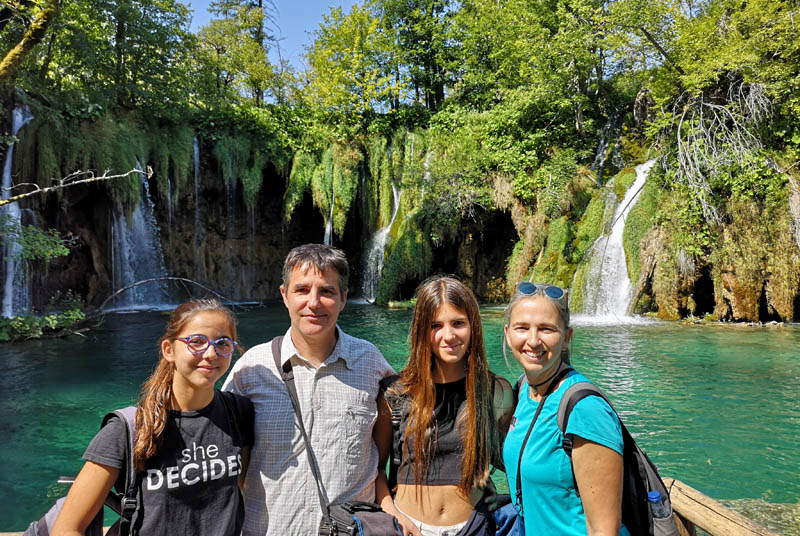
Plitvice Lakes National Park - Mali Prštavac
At Station 3, we board an electric boat to cross Lake Kozjak, the largest and deepest lake in Plitvice. The ride is a highlight of the trip, offering a new perspective of the park’s landscape. The stillness of the lake and the surrounding hills create a breathtaking setting, with the boat gliding smoothly through the pristine waters. During the ride, we catch sight of Burgeti Waterfalls, a series of small cascades that feed into the lake. This peaceful journey feels like floating through a dream, surrounded by the natural splendor of Plitvice.
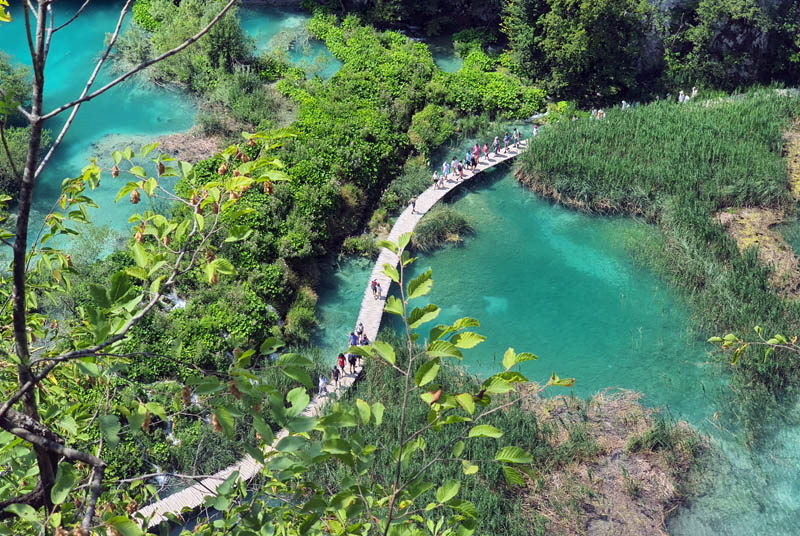
Plitvice Lakes National Park - Korana lake
Our return journey is made easier by the panoramic train, which takes us back to Entrance 1. The train offers sweeping views of the park, allowing us to reflect on the diverse landscapes we’ve explored. Along the way, we catch glimpses of waterfalls and lakes we visited earlier, including the vibrant turquoise waters of Kaluderovac Lake. The ride provides a relaxing end to the day, with the open windows letting in the fresh air. After completing Route C, we leave Plitvice with a deep appreciation for its extraordinary beauty and the memories of its iconic waterfalls, shimmering lakes, and lush greenery.
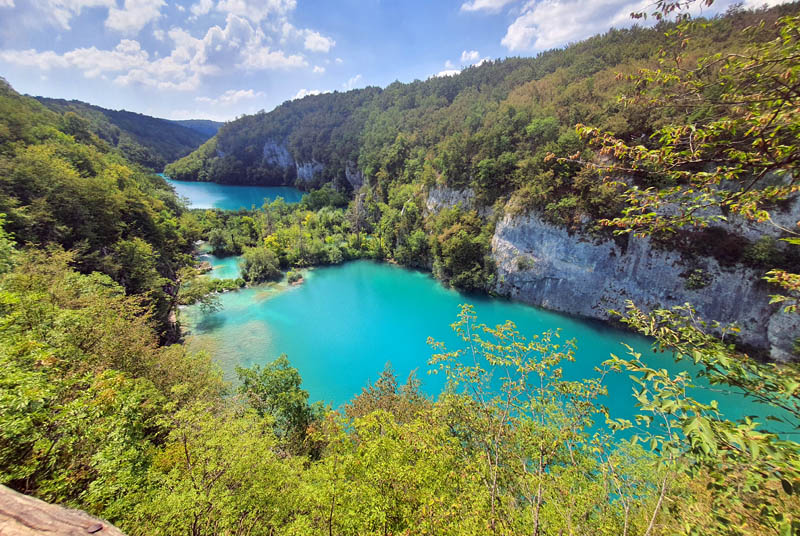
Plitvice Lakes National Park - Korana and Milanovac lakes
(in 145 Km.) Zadar: Zadar, a coastal city in Croatia, boasts a history spanning over three millennia. Founded by the Liburnians and later ruled by the Romans, Byzantines, Venetians, and Austro-Hungarians, Zadar has been shaped by its strategic position on the Adriatic Sea. It flourished as a Roman colony, leaving behind ruins like the Roman Forum, which still stands today. The city faced devastation during World War II but has since been restored, blending ancient landmarks with modern attractions. Today, Zadar is a vibrant city known for its historical sites, artistic innovations, and stunning sunsets that have captivated travelers for centuries.
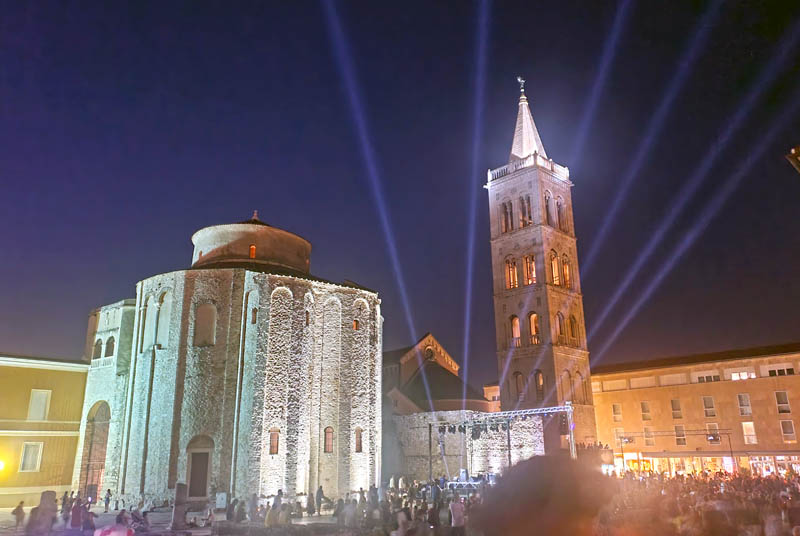
Zadar - Saint Donatus’ Church and Saint Anastasia’s Cathedral
Our visit begins with a stroll through Zadar's old town, where history comes alive. The Roman Forum, dating back to the 1st century BC, offers a glimpse into the city’s ancient past with its well-preserved columns, stone pavements, and remnants of Roman temples. Nearby, we admire the Church of St. Donatus, a 9th-century pre-Romanesque masterpiece. Its unique circular shape and simple design make it one of Croatia’s most iconic landmarks. Continuing on, we visit the Cathedral of St. Anastasia, an impressive Romanesque structure that houses stunning artworks and offers panoramic views from its bell tower. Walking through the narrow streets of the old town, we feel the blend of ancient history and modern life that defines Zadar.
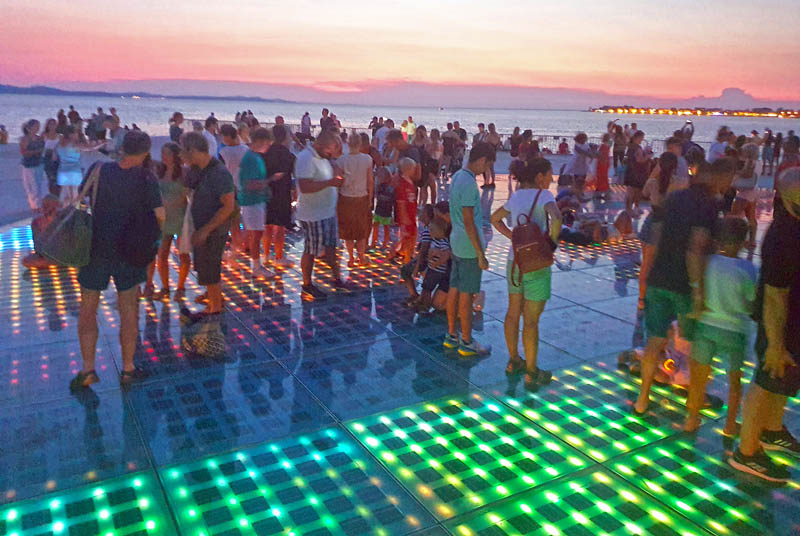
Zadar - Greeting to the Sun
As we explore the city’s modern side, we arrive at two of Zadar's most famous attractions: the Sea Organ and the Greeting to the Sun. The Sea Organ is a fascinating architectural installation that uses the movement of the waves to produce hauntingly beautiful melodies. Sitting by the water and listening to its music is a truly unique experience. Adjacent to it is the Greeting to the Sun (Pozdrav suncu), a large circular solar panel embedded in the pavement that creates a mesmerizing light show at night, symbolizing the connection between nature and art. These innovative installations highlight Zadar’s commitment to blending tradition with creativity, making it a city that continually reinvents itself while honoring its past.