Travel to Croatia
Day 6 Dubrovnik
Dubrovnik: Dubrovnik, often referred to as the "Pearl of the Adriatic," has a remarkable history that dates back to the 7th century. It was founded by refugees fleeing the destruction of the ancient Roman city of Epidaurum (modern-day Cavtat). Initially known as Ragusa, the settlement developed into one of the most powerful maritime republics in the Mediterranean. The Republic of Ragusa thrived during the Middle Ages, building a formidable navy and establishing extensive trade networks that rivaled those of Venice. Its wealth and influence allowed Dubrovnik to maintain its independence through skilled diplomacy, paying tribute to the Ottoman Empire while fostering alliances with European powers.
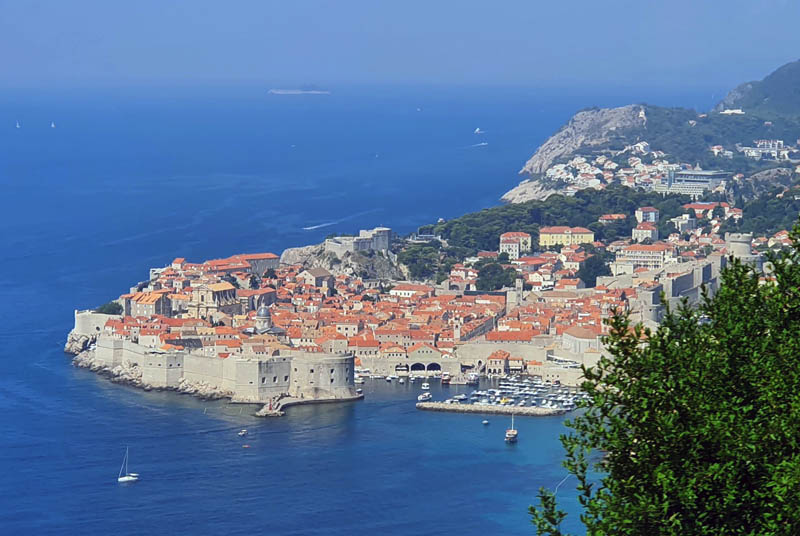
Dubrovnik
The city's strategic location on the Dalmatian coast helped shape a unique cultural blend of Byzantine, Venetian, Slavic, and Ottoman influences, which is still evident in its architecture and traditions today. Dubrovnik’s decline began in the late 17th century, accelerated by a devastating earthquake in 1667. Annexed by Napoleon in 1808, it later became part of the Austro-Hungarian Empire and eventually Yugoslavia. Today, as a UNESCO World Heritage Site, Dubrovnik stands as a testament to the resilience of its people and the enduring allure of its rich history.

Dubrovnik - Great Onofrio’s Fountain and Franciscan Monastery
Our journey through Dubrovnik begins at Pile Gate, the primary entrance to the Old Town, which dates back to the 15th century. The gate's imposing stone arch is flanked by a statue of St. Blaise, the city’s patron saint, who is revered as the protector of Dubrovnik. The drawbridge, once raised nightly for security, now welcomes throngs of visitors eager to explore this historic city. Just inside the gate, we find Great Onofrio’s Fountain, a 15th-century masterpiece designed by the Neapolitan architect Onofrio della Cava. The fountain, with its 16 carved stone masks spouting water, was a key element of Dubrovnik’s advanced water supply system, which brought fresh water to the city from a spring 12 kilometers away. This early feat of engineering demonstrates the Republic's commitment to public health and urban planning. Visitors often gather here to admire its beauty and enjoy the refreshing coolness before delving deeper into the city's historic core.
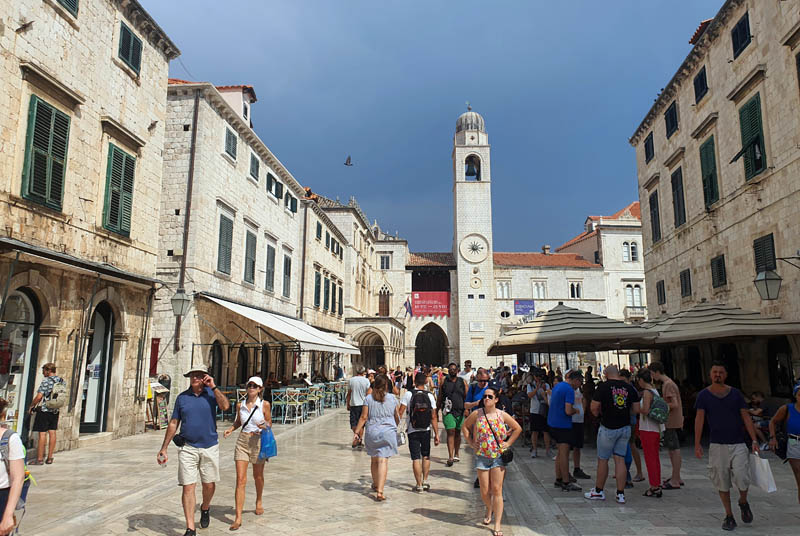
Dubrovnik - Stradun and Bell Tower
A short walk from the fountain brings us to the Franciscan Monastery, a serene haven with a rich history. The monastery houses one of the world’s oldest pharmacies, operational since 1317, where visitors can still see ancient equipment and remedies used centuries ago. The Romanesque cloister, adorned with elegant arches and lush greenery, is a peaceful retreat from the bustling city. Exiting the monastery, we step onto Stradun, the limestone-paved main street that stretches from Pile Gate to the Old Port. Stradun is the beating heart of Dubrovnik, lined with charming Baroque buildings, inviting cafes, and boutique shops. Despite its vibrant atmosphere today, this street also bears the scars of Dubrovnik's past, having been partially rebuilt after the siege during the Croatian War of Independence in the early 1990s.
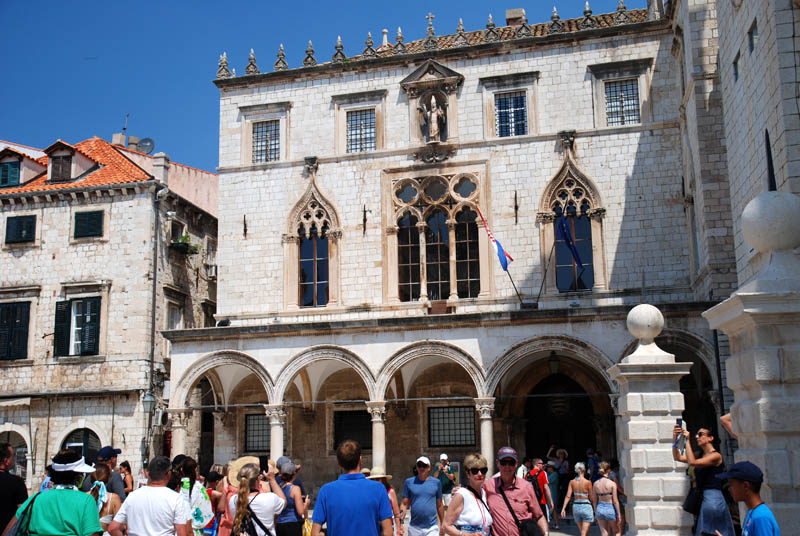
Dubrovnik - Sponza Palace
If you continue along Stradun, you’ll come upon the Bell Tower, a symbol of Dubrovnik’s civic pride. Built in the 15th century and reconstructed in the 20th century, the tower features a clock and two bronze figures, affectionately known as "Marojica" and "Baro," who strike the bell. Adjacent to the tower is the Sponza Palace, a Gothic-Renaissance structure that has served various roles throughout history, from customs house to mint. Today, it houses the State Archives, where centuries of Dubrovnik’s history are meticulously preserved. Just outside the palace is Orlando’s Column, a medieval monument dedicated to the legendary knight Orlando, symbolizing freedom and justice. The column was used as the official measure for trade in the Republic of Ragusa, showcasing Dubrovnik’s commitment to fair commerce.
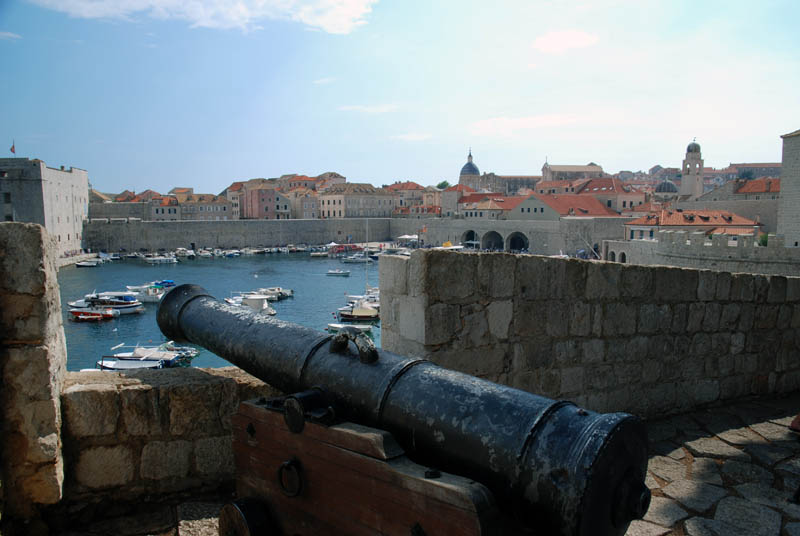
Dubrovnik - Old Port (Stara Luka)
At the eastern end of Stradun lies the Church of St. Blaise, an exquisite Baroque masterpiece dedicated to Dubrovnik’s beloved patron saint. Built in the 18th century, the church features an ornate facade and a statue of St. Blaise holding a model of the city, symbolizing his protective role. From here, it’s a short walk to the Old Port (Stara Luka), once the bustling hub of the Republic’s maritime trade. The harbor is lined with historic stone quays and vibrant cafes, offering views of traditional wooden boats and the sparkling Adriatic. The Old Port also serves as a gateway to Lokrum Island, a nearby nature reserve known for its botanical gardens and peacocks.
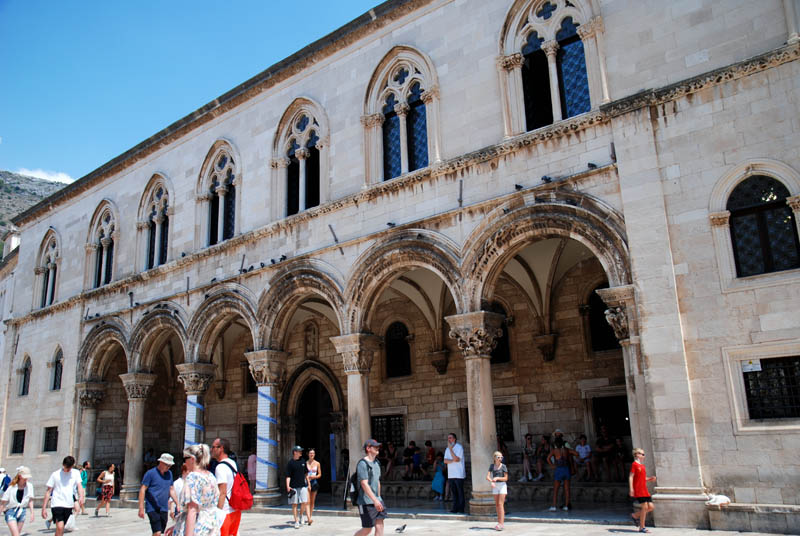
Dubrovnik - Rector’s Palace
A visit to Dubrovnik wouldn’t be complete without exploring the Rector’s Palace, one of the city’s most iconic landmarks. This architectural masterpiece reflects a harmonious blend of Gothic, Renaissance, and Baroque styles, a result of numerous reconstructions over the centuries due to fires, earthquakes, and even gunpowder explosions. During the time of the Republic of Ragusa, the Rector’s Palace served as the seat of government, housing the rector, who was elected for a one-month term to ensure no concentration of power. The palace also included administrative offices, a courtroom, a prison, and a small armory, making it the administrative and political hub of the Republic. Nearby, the Town Hall and Dubrovnik Cathedral, or the Cathedral of the Assumption of the Virgin Mary, add to the city’s architectural splendor. The cathedral, built in the Baroque style, is said to house relics of St. Blaise and a piece of the True Cross. Its treasury is a must-see, filled with gold and silver religious artifacts.
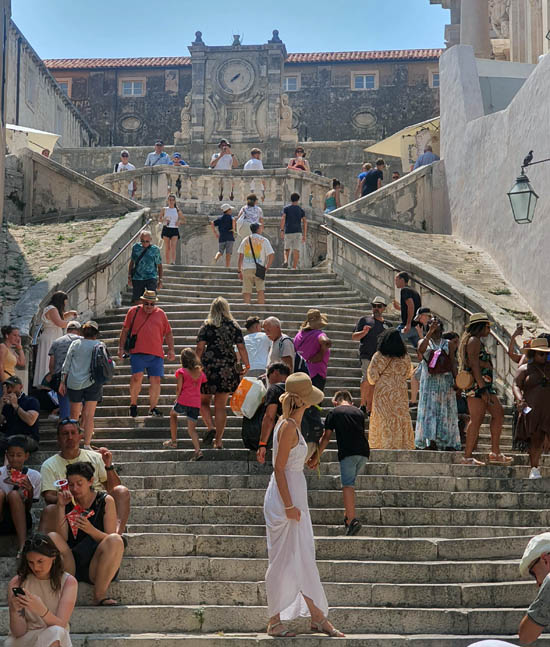
Dubrovnik - Jesuit Staircase
Ascending the Jesuit Staircase, we reached the Church of St. Ignatius, a grand Baroque structure renowned for its striking frescoes depicting scenes from the life of St. Ignatius of Loyola. The staircase itself gained worldwide fame as the filming location for Cersei Lannister’s infamous “Walk of Atonement” in Game of Thrones. Fans of the series will undoubtedly recognize the dramatic descent framed by the surrounding historic buildings. Nearby, the Dubrovnik Synagogue, one of the oldest in Europe, offers a glimpse into the city’s rich Jewish heritage, showcasing artifacts and the history of a community that contributed greatly to Dubrovnik’s cultural mosaic. A short walk brings us to the Church of St. Dominic, a Gothic treasure dating back to the 14th century. Inside, visitors can admire a collection of religious art, including a polyptych by the famous Croatian painter Lovro Dobričević. As your day exploring Dubrovnik winds down, consider heading to Banje Beach, located just outside the Ploče Gate. This pebble beach offers crystal-clear waters and stunning views of the Old Town and Lokrum Island, providing the perfect setting to relax and cool off after a day immersed in history and culture.